In today’s homes, where space is often at a premium and lifestyles demand adaptability, table leaves have become essential components of modern furniture. These clever additions allow you to expand your eating area effortlessly, turning a cozy setup into a spacious one for special occasions. Whether you’re hosting family reunions, game evenings, or holiday meals, incorporating table leaves into your setup provides a practical solution that blends form and function seamlessly.
This guide explores the fundamentals of table leaves, from their basic definition to their evolution over time. We’ll examine various designs, highlight their advantages, and offer practical advice on selection and maintenance. By the end, you’ll appreciate how table leaves can elevate your living environment, and we’ll spotlight an innovative option that combines dining with entertainment.
Defining Table Leaves
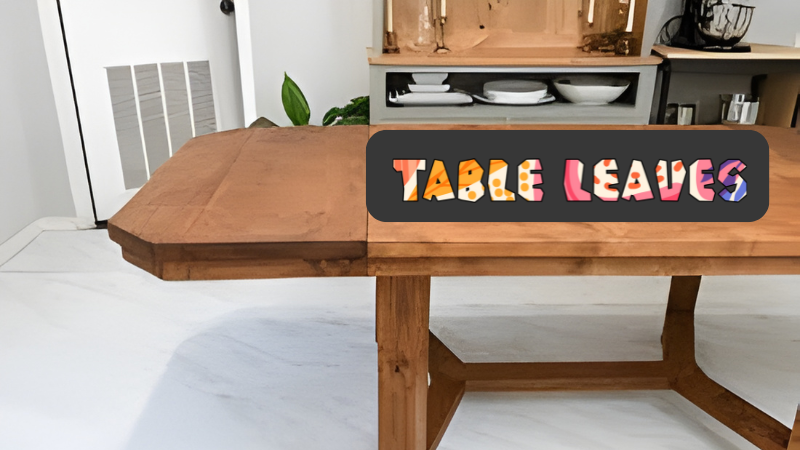
At its core, table leaves refer to expandable segments that integrate into the center or ends of a dining surface to lengthen it. This feature enables you to adjust the furniture’s dimensions according to the number of people you’re accommodating, making it ideal for both everyday use and larger events.
The beauty of table leaves lies in their ability to morph a standard piece into something more versatile. For instance, a compact arrangement suits small households, while adding extensions creates room for extra chairs during gatherings. This adaptability ensures your eating zone remains functional without overwhelming the room.
The Etymology Behind the Name
Ever wondered about the origin of the term? Table leaves draw their name from botanical elements, much like how foliage branches out from a plant’s core. Similarly, these extensions protrude from the main structure, symbolizing expansion and renewal. This analogy has persisted through centuries, becoming a staple in furniture terminology.
Understanding this connection adds a layer of appreciation to the design. It reflects nature’s ingenuity, where growth occurs organically, mirroring how table leaves allow your furniture to evolve with your needs.
Tracing Back Through History
The concept of table leaves emerged during the Renaissance period in Europe, when social events grew more elaborate. Nobles required furnishings that could handle fluctuating guest lists, leading to early innovations like hinged sides that folded up or down.
As woodworking techniques improved, these mechanisms became more sophisticated. By the Victorian age, affluent homes featured elaborate systems that demonstrated status and preparedness for lavish affairs. Today, table leaves continue this legacy, adapting to contemporary demands for efficiency in urban dwellings.
Exploring Varieties of Designs
Diversity in table leaves means there’s something for every preference and layout. Here are some popular options:
- Hinged Extensions: These fold downward along the edges, conserving area in tight quarters while providing quick expansion.
- Folded Inserts: Concealed beneath the top, they unfold like wings when the halves are separated, offering a seamless integration.
- Detachable Panels: Easily added or removed, these are stored separately, suiting those who prefer simplicity and minimal interference.
- Sliding Mechanisms: Common in elongated models, they pull out from the extremities, ideal for frequent adjustments.
- Integrated Storage: These tuck away inside the frame, ready for use without needing external space.
Each type caters to different scenarios, so consider your routine when choosing.
Advantages of Incorporating Table Leaves
Beyond mere expansion, table leaves deliver multiple perks that enhance daily living.
Optimizing Area and Adaptability
In compact residences or apartments, table leaves shine by allowing a minimal footprint most days. This frees up floor space for other activities, promoting an airy atmosphere. When company arrives, a swift adjustment accommodates everyone comfortably.
For households with varying occupancy—such as visiting relatives or growing families—table leaves eliminate the hassle of makeshift arrangements. No more crowding or borrowing extra furniture; instead, enjoy balanced seating that fosters relaxed interactions.
Aesthetic and Functional Diversity
Table leaves also inject creativity into your decor. A retracted form supports intimate ambiances, like quiet meals under soft lighting. Extended, it invites elaborate setups with centerpieces and linens.
Contemporary versions boast varied textures, hues, and motifs, enabling personalization. This duality means your furniture can shift personas, blending utility with style to match evolving tastes.
Guidance for Selection and Utilization
Picking the ideal table leaves involves balancing practicality, appearance, and compatibility.
Matching to Your Lifestyle and Decor
- Consistency in Materials: Opt for extensions that align with your existing surface for a cohesive look, or experiment with contrasts for a bold statement.
- Spatial Considerations: Assess dimensions in both states to ensure circulation remains unobstructed.
- Operational Ease: Choose systems that are intuitive, whether manual or automated, to suit your handling preferences.
For those merging dining with leisure, innovative solutions like specialized gaming integrations add extra appeal.
Spotlight on an Exceptional System
One standout example comes from a brand focused on multifunctional furniture. Their design features table leaves that secure firmly, maintaining an even plane. Removing them unveils a dedicated play area beneath, equipped with modular zones, adjustable depths, and premium coverings.
Crafted from robust timbers, this piece allows tailoring in scale, finish, and grain. It’s perfect for card sessions, strategy games, or role-playing adventures, transforming routine gatherings into memorable events. User feedback highlights its durability and ingenuity, making it a top choice for enthusiasts.
Handling Installation and Removal
To manage table leaves safely:
- Stable Foundation: Position on level ground to prevent mishaps.
- Mechanism Mastery: Study the specifics to avoid strain.
- Team Effort: Enlist help for heavier pieces to distribute load evenly.
These steps preserve the integrity of your furniture.
Proper Storage Solutions
Maintenance extends to storage. Specialized holders offer vertical placement, which saves room and protects against warping. Padded interiors guard against scuffs, while secure bases prevent shifts. Customizable exteriors blend with your setup, and extra compartments house accessories.
Investing in such storage maintains the condition of table leaves, ensuring longevity.
Wrapping Up
Table leaves represent a smart evolution in home furnishings, offering expansion without excess. From historical roots to modern innovations, they provide space efficiency, stylistic flexibility, and practical benefits. Whether for daily meals or festive occasions, integrating table leaves enhances functionality and enjoyment.
Consider upgrading to a versatile model that doubles as an entertainment hub—it’s a game-changer for any household.
Frequently Asked Questions
How do table leaves function?
They insert into the structure to elongate it, increasing capacity for more users.
Are table leaves easy to add?
Yes, most designs feature straightforward mechanisms, though assistance helps with bulkier ones.
What materials suit table leaves best?
Wood is common for durability, but match to your primary surface for harmony.
Can table leaves fit any furniture?
Typically designed for specific models, so compatibility is key.
How often should I maintain table leaves?
Regular cleaning and proper storage keep them in top shape.
Do table leaves affect stability?
Quality ones lock securely, maintaining balance when extended.
What’s the cost range for table leaves?
Varies by type and material, from affordable basics to premium custom options.
Are there space-saving alternatives to table leaves?
Foldable or wall-mounted units exist, but table leaves offer seamless integration.
Can I customize table leaves?
Many manufacturers allow personalization in size and finish.
Why choose self-storing table leaves?
They remain accessible yet hidden, ideal for convenience.