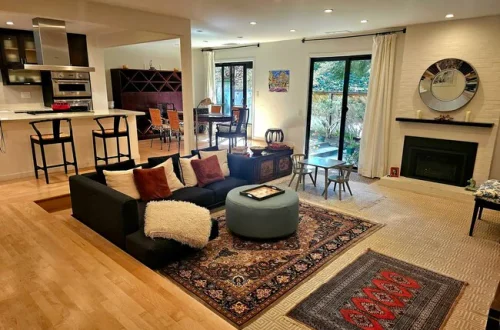
Interior decoration continues to move toward calmer and more meaningful choices. People are no longer only filling rooms with objects. They are shaping experiences, moods, and stories within their spaces. One decorative element that reflects this shift is pyntekvister. These elegant decorative branches bring a sense of nature indoors without noise or excess. Their appeal lies in simplicity, texture, and emotional balance rather than trends or ornamentation.
Pyntekvister are not loud statements. They are quiet design choices that influence how a room feels. From modern apartments to traditional homes, from creative studios to event venues, pyntekvister fits naturally wherever there is an appreciation for organic beauty. This article explores their meaning, history, design value, sustainability, and future relevance while keeping a natural and informative flow.
Understanding Pyntekvister as a Decorative Concept
Pyntekvister refers to decorative branches or twigs used purely for visual appeal. They may be natural, dried, preserved, painted, or artist crafted to resemble natural wood. What defines them is not material or origin but intention. Their role is aesthetic rather than functional.
Unlike floral arrangements that demand attention and care, pyntekvister offer a calm presence. They add height, texture, and rhythm to a space without dominating it. Designers appreciate them because they are adaptable and timeless. Homeowners value them for their affordability and ease of use.
In creative spaces, pyntekvister often act as visual pauses. They allow the eye to rest while still remaining engaged. This balance makes them effective across a wide range of interiors.
Cultural Roots and Historical Influence
Decorative branches have been part of human culture for centuries. Ancient communities used twigs and branches in seasonal rituals, spiritual practices, and home embellishment. Over time, these symbolic uses evolved into decorative traditions.
In Nordic and European design heritage, pyntekvister reflects values of simplicity, nature, and restraint. Long winters and strong connections to forests shaped an aesthetic that values organic forms and neutral tones. Decorative branches became a way to bring the outdoors inside during colder months.
As global design trends began to admire Scandinavian and minimalist styles, pyntekvister found a wider audience. Today, they appear in homes around the world, appreciated for their quiet elegance rather than cultural symbolism.
Pyntekvister in Contemporary Interior Design
Modern interiors often focus on clean surfaces, open layouts, and neutral color palettes. In such environments, pyntekvister serve as a soft counterbalance. Their irregular shapes contrast with straight lines and smooth materials.
Tall pyntekvister placed in floor vases create vertical movement. This helps visually expand a room and draw attention upward. In compact spaces, smaller arrangements add interest without creating clutter.
Designers often position pyntekvister near windows, entryways, or corners that need subtle enhancement. Their natural tones blend easily with wood, stone, metal, and fabric elements.
Role in Minimalist Spaces
Minimalism is not about emptiness. It is about intention. Every object has a reason for being present. Pyntekvister aligns perfectly with this philosophy.
A single branch in a simple ceramic or glass vase can become a focal point. The contrast between organic form and refined container creates visual tension that feels thoughtful rather than decorative.
Minimalist interiors can sometimes feel cold. Pyntekvister introduces warmth without breaking the clean aesthetic. They remind occupants that simplicity can still feel alive.
Seasonal Styling with Pyntekvister
One of the strongest advantages of pyntekvister is their adaptability across seasons. They can remain in place throughout the year with small adjustments.
In spring, light colored branches or subtle decorative accents create a fresh mood. Summer styling often leaves them bare, allowing their natural form to speak for itself.
Autumn invites warmer tones. Pyntekvister pairs well with earthy colors and textured materials. In winter, they are often used in festive displays, sometimes enhanced with lights or ornaments.
Because pyntekvister are neutral by nature, they do not need replacement. This makes them practical and economical for long term decoration.
Use in Outdoor and Event Decoration
Pyntekvister are not limited to indoor spaces. Event designers frequently use them in outdoor settings where natural harmony is essential.
Weddings, garden parties, and cultural events benefit from their understated elegance. They are often used to create arches, table centerpieces, and backdrop installations.
Their lightweight nature allows for easy transport and flexible arrangements. Unlike heavy decorative structures, pyntekvister adapt to the environment rather than competing with it.
In professional event styling, they are valued for their ability to elevate a setting without overwhelming it.
Sustainability and Environmental Responsibility
Sustainability is no longer optional in design. Pyntekvister supports eco conscious decoration in several ways.
Natural branches can be sourced locally, reducing transportation impact. When dried or preserved properly, they last for years. This reduces waste compared to disposable decor.
Even artificial pyntekvister can be sustainable when chosen thoughtfully. High quality pieces are reused across seasons and events, lowering overall consumption.
The table below highlights sustainability aspects of different types of pyntekvister.
| Type | Environmental Impact | Longevity | Reuse Potential |
| Natural dried | Low when locally sourced | High | Very high |
| Preserved | Moderate | High | High |
| Artificial quality | Variable depending on materials | Very high | Very high |
Choosing pyntekvister aligns decoration with responsible living.
Creative Expression and Artistic Use
Pyntekvister invites creativity. Some people prefer their raw form. Others customize them to match themes or personal style.
Artists and designers often paint or treat branches to create contrast. In craft projects, pyntekvister serve as bases for installations and sculptures.
They are also used in artistic photography and interior styling showcases. Platforms such as arcyart artists directory occasionally highlight creative professionals who incorporate natural elements like pyntekvister into visual storytelling.
This flexibility allows pyntekvister to move beyond decoration and into artistic expression.
Choosing the Right Pyntekvister for Your Space
Selecting pyntekvister requires attention to proportion and intention.
Long slender branches suit tall vases and open areas. Shorter textured branches work better for tables and shelves.
Color plays a subtle role. Natural wood tones are timeless. Painted branches can add contrast or complement a specific palette.
Scale matters. Oversized pyntekvister in small rooms can feel intrusive. Small arrangements in large spaces may disappear visually. Balance ensures harmony.
Care and Maintenance
One reason pyntekvister remain popular is their low maintenance nature.
Natural dried branches only require occasional dusting. Preserved ones should be kept away from moisture and strong sunlight.
Artificial pyntekvister can be gently cleaned with a soft cloth. Proper care preserves their appearance and structure for many years.
Unlike fresh flowers, there is no concern about wilting or replacement.
Common Misconceptions and Design Challenges
Some people view pyntekvister as plain or unfinished. This perception often comes from misunderstanding their role. Their simplicity is intentional.
Another challenge is overuse. When too many branches are clustered together without purpose, the effect can feel chaotic. Thoughtful placement is essential.
Design restraint allows pyntekvister to enhance rather than dominate a space.
Future Outlook in Design Trends
As design continues to value nature, balance, and sustainability, pyntekvister are likely to remain relevant.
Innovations in preservation and creative treatments may expand how they are used. However, their core appeal will always be rooted in natural beauty and simplicity.
They are not trend driven objects. They are design constants that adapt quietly over time.
Conclusion
Pyntekvister represents a gentle approach to decoration. They bring nature indoors without excess and beauty without noise. Their versatility allows them to exist in minimalist homes, creative studios, outdoor events, and artistic spaces.
By choosing pyntekvister, people create environments that feel calm, grounded, and intentional. Their lasting appeal lies in their ability to connect design with nature in a way that feels honest and enduring.
Frequently Asked Questions
What makes pyntekvister different from floral decor
Pyntekvister focuses on form and texture rather than color and fragrance. They offer long lasting visual interest without maintenance demands.
Can pyntekvister work in small spaces
Yes. Smaller arrangements add depth without clutter when scaled appropriately.
Are pyntekvister suitable for professional settings
They are widely used in offices, studios, and event venues due to their neutral and refined appearance.
How long do pyntekvister last
With proper care, natural dried and preserved pyntekvister can last for many years.
Can pyntekvister be customized
They can be painted, treated, or combined with other elements to suit personal or thematic preferences.