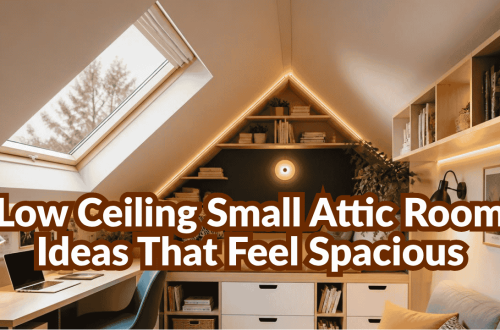
Small Space Mistakes That Make Your Home Feel Cramped (Fix These!) are often not caused by the actual size of your home, but by the way the space is designed, arranged, and decorated. A small apartment, bedroom, or living room can feel comfortable and spacious when every design choice supports openness and functionality. However, certain mistakes can make even a decent-sized room feel crowded, uncomfortable, and visually overwhelming. From choosing furniture that is too large to ignoring lighting, storage, and layout principles, small errors can completely change how a home feels. In this article, we will explore the most common small-space design mistakes, explain why they make rooms appear smaller, and share practical solutions to create a home that feels brighter, more organized, and more inviting without requiring expensive renovations.
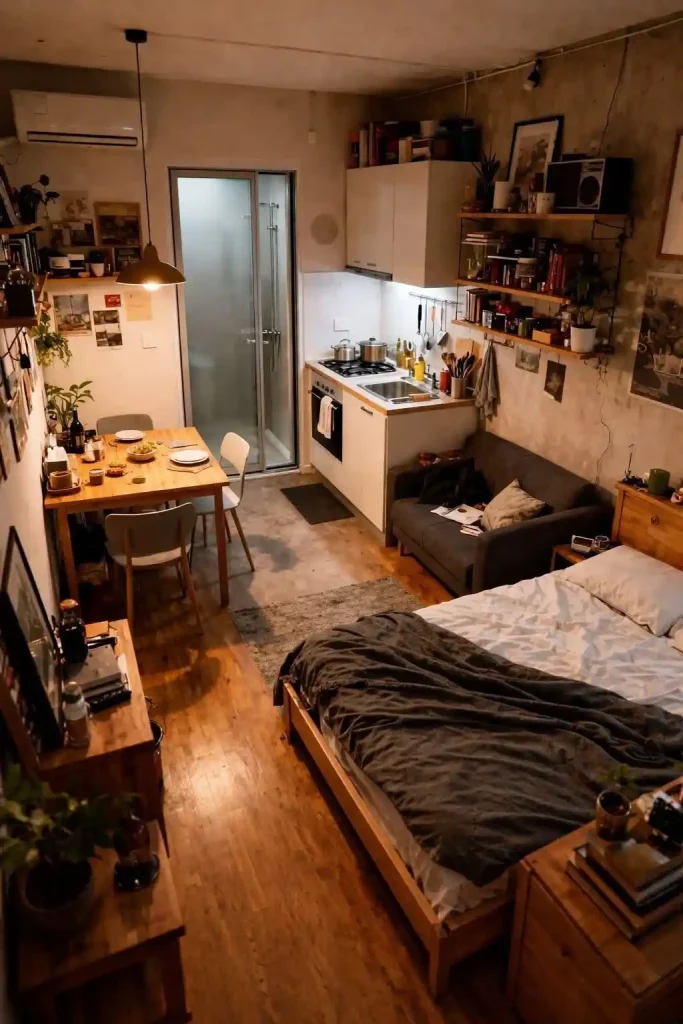
1. Choosing Furniture That Is Too Large for the Space
One of the most common mistakes in small homes is selecting furniture based only on appearance rather than proportion. A large sectional sofa, oversized dining table, or bulky storage cabinet may look impressive in a furniture showroom, but inside a compact room, these pieces can quickly dominate the entire space. When furniture occupies most of the floor area, there is less room for movement, and the room immediately feels smaller.
The solution is not to avoid comfortable furniture but to choose pieces that match the scale of your home. Furniture with slim designs, raised legs, multifunctional features, and simple shapes often creates a lighter visual appearance. A small room does not need fewer belongings; it needs better balance between furniture, empty space, and movement areas.

2. Blocking Natural Light With Poor Furniture Placement
Natural light has a powerful effect on how large or small a room feels. Unfortunately, many homeowners accidentally reduce the feeling of space by blocking windows with tall furniture, heavy curtains, or poor room arrangements. When sunlight cannot move freely through a room, the space often feels darker, heavier, and more enclosed.
A brighter room naturally feels more open because light helps create visual depth. Keeping windows clear, using lightweight curtains, adding reflective surfaces, and arranging furniture away from natural light sources can dramatically improve the atmosphere. Even a small room can feel larger when it receives enough brightness.
Mirrors placed strategically opposite windows can also increase the feeling of openness by reflecting light and extending visual space. These small adjustments can create a major difference without changing the actual size of the room.
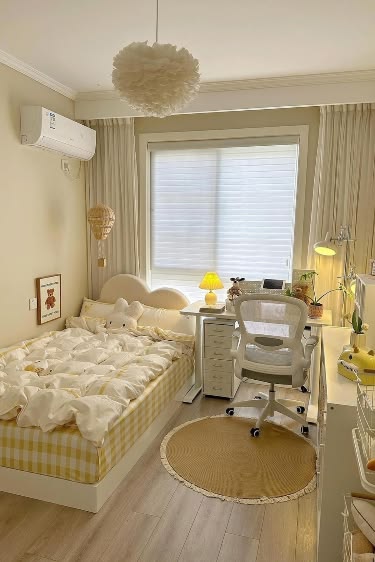
3. Adding Too Much Decoration and Creating Visual Clutter
Decorating a home allows you to express personality, but small spaces require more careful choices. One of the biggest mistakes people make is filling every surface with decorations, accessories, plants, artwork, and personal items. Although each item may look attractive individually, too many objects together create visual noise.
When the eyes constantly move between different elements, the room feels busy and smaller. Small homes usually look better when decorations are intentional rather than excessive. Instead of displaying many small objects, choose a few meaningful pieces that create character without overwhelming the room.
A clean coffee table, organized shelves, and open countertops create breathing room. Minimal decoration does not mean an empty or boring home; it means allowing important design elements to stand out.

4. Ignoring Vertical Space and Smart Storage Opportunities
Many small homes feel crowded because people only think about floor space. They add more cabinets, storage boxes, and furniture at ground level while leaving walls completely unused. This creates unnecessary congestion and reduces the available movement area.
Using vertical space is one of the smartest ways to improve a compact home. Tall bookshelves, floating shelves, wall-mounted cabinets, hooks, and vertical organizers allow storage without taking valuable floor space. This helps keep essential items organized while maintaining a more open environment.
However, vertical storage should be balanced. Covering every wall with shelves can create another form of visual clutter. The goal is to use walls strategically while maintaining a sense of openness.

5. Using the Wrong Colors for Small Rooms
Color choices can completely change the way a room feels. While dark colors can create beautiful and dramatic interiors, using too many dark tones in a small room with limited lighting can make the space appear closed and heavy. Walls may visually feel closer, creating a stronger sense of limitation.
Lighter colors such as soft white, warm beige, light gray, and gentle pastel shades often help small rooms feel more open. These colors reflect light and allow different areas of the home to connect visually.
However, small spaces do not need to be completely neutral. Adding colorful cushions, artwork, rugs, or decorative items can bring personality while maintaining an airy atmosphere. The key is balance rather than avoiding color completely.
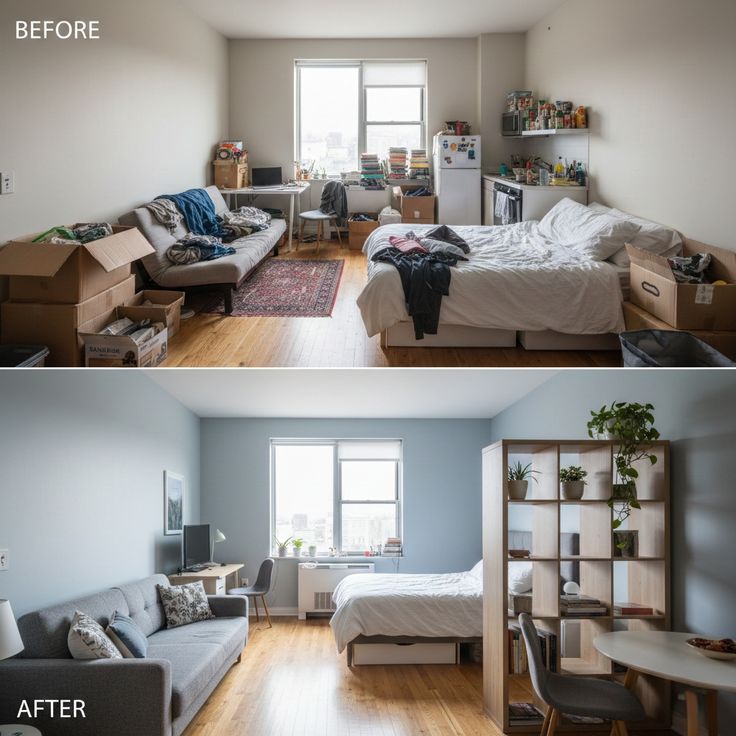
6. Poor Layout Planning That Interrupts Movement
A room can have enough physical space but still feel cramped because of a poor layout. Furniture placement has a major influence on how comfortable a space feels. When sofas block pathways, chairs interrupt movement, or furniture pieces are pushed randomly against walls, the room loses natural flow.
Good small-space layouts focus on easy movement and clear visual pathways. Every important area should feel connected, whether it is the seating area, dining corner, workspace, or storage zone. Sometimes simply rotating a sofa, removing one unnecessary chair, or changing the position of a table can completely transform the feeling of a room.
The best layouts are not always the ones with the most furniture. They are the ones that allow people to move comfortably and enjoy the space.

7. Creating Too Many Separate Zones
Many homeowners try to divide small spaces into too many separate areas. They use large room dividers, different colors, different flooring materials, or heavy furniture arrangements to create boundaries. While this may seem organized, it often makes the home feel fragmented and even smaller.

Small homes usually benefit from visual continuity. Using similar colors, consistent flooring, and connected design elements allows the eye to move smoothly throughout the space. This creates the feeling of one larger environment instead of several tiny sections.
You can still define different areas without making the room feel divided. A rug can separate a living area, lighting can highlight a workspace, and furniture placement can create zones naturally without blocking openness.
Frequently Asked Questions About Small Space Mistakes
1. Why does my small room feel cramped even when it has enough space?
A small room can feel cramped because of design choices rather than its actual size. Oversized furniture, poor lighting, too many decorations, blocked pathways, and inefficient storage can make a room appear crowded. Improving organization, creating better movement flow, and leaving enough empty space around furniture can make the same room feel much larger and more comfortable.
2. What furniture mistakes make a small living room look smaller?
The biggest furniture mistakes include choosing pieces that are too large, adding unnecessary furniture, and arranging items without considering movement space. A large sofa, bulky coffee table, or oversized cabinet can dominate a small room and reduce the feeling of openness.
Instead, choose furniture that matches the scale of the room. Compact sofas, multifunctional pieces, furniture with visible legs, and simple designs help create a lighter and more spacious appearance.
3. Do dark colors make small rooms look smaller?
Dark colors do not always make small rooms look smaller, but using too many dark elements without enough lighting can create a heavy and enclosed feeling. Rooms with dark walls, dark furniture, and limited natural light may appear more restricted.
However, dark shades can work beautifully when balanced with lighter furniture, mirrors, good lighting, and carefully selected accents. The key is maintaining balance between color, brightness, and visual openness.
4. How can I make my small home look bigger without renovation?
You can make a small home appear larger by improving furniture placement, reducing clutter, maximizing natural light, adding mirrors, and using smart storage solutions. Simple changes such as removing unnecessary items, replacing heavy curtains with lighter ones, and creating clearer pathways can significantly improve the feeling of space.
Small-space design is often about creating better visual flow rather than physically increasing the size of the room.
5. Are mirrors useful in small spaces?
Yes, mirrors are one of the most effective design techniques for small spaces. They reflect light, add depth, and create the illusion of a larger area. A large mirror placed opposite a window can help distribute natural light and make the room feel brighter.
However, too many mirrors can create visual distraction. Strategic placement is usually more effective than covering multiple walls with reflective surfaces.
6. What is the biggest decorating mistake in a small home?
The biggest decorating mistake is trying to fill every available area. Many people believe adding more furniture, accessories, and decorations will make a home feel complete, but excessive items can create visual clutter.
A small home usually looks better when every item has a purpose. Choosing fewer meaningful decorations, maintaining clear surfaces, and allowing empty space improves the overall appearance and comfort of the room.
7. How do I organize a small home with limited storage?
Organizing a small home requires creative use of available space. Vertical shelves, under-bed storage, multifunctional furniture, hidden cabinets, baskets, and wall-mounted solutions can help keep belongings organized without overcrowding the room.
Decluttering is also essential because limited storage becomes difficult to manage when unnecessary items continue to accumulate. A well-organized home often feels larger because surfaces remain clean and the environment feels calmer.