Summer can bring intense heat, making your home feel uncomfortable and difficult to relax in. While air conditioning is one of the fastest ways to lower indoor temperatures, it can also increase electricity bills and place extra pressure on energy systems. Fortunately, there are many practical ways to cool your house naturally without relying on AC.
By making small changes to your daily habits, improving airflow, blocking heat sources, and using simple cooling techniques, you can create a more comfortable indoor environment. These methods are affordable, energy-efficient, and better for reducing your overall carbon footprint.
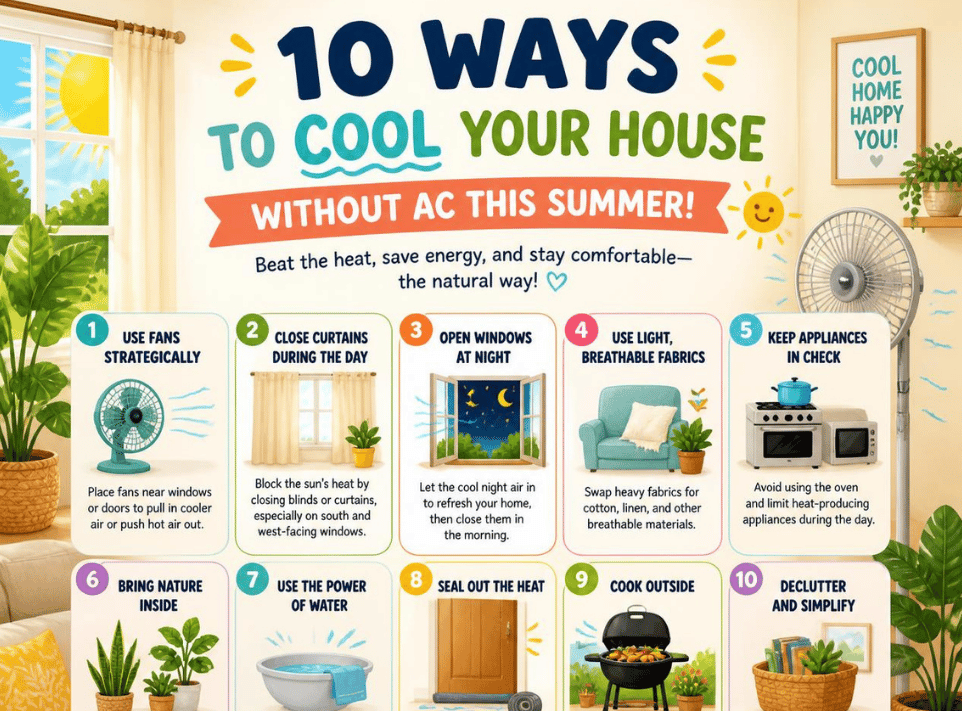
Below are 10 effective ways to keep your home cool during hot summer months without using an air conditioner.
1. Block Sunlight With Curtains and Blinds
One of the biggest reasons homes become hot during summer is direct sunlight entering through windows. Sun rays can quickly heat up rooms, especially those with large windows facing south or west.
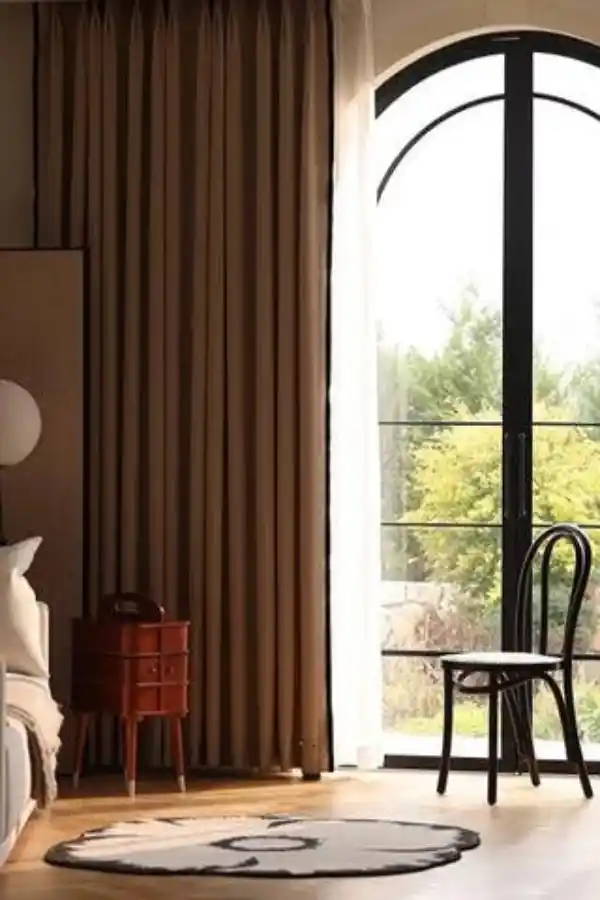
Using curtains, blinds, or shades is one of the simplest ways to prevent unwanted heat from entering your home. Keep window coverings closed during the hottest parts of the day, usually from late morning until evening.
Choose Light-Coloured Window Coverings
Light-coloured curtains reflect sunlight instead of absorbing it. Materials such as cotton, linen, or reflective thermal curtains can help reduce heat buildup inside rooms.
For better results, consider installing blackout curtains in bedrooms and living areas. They are designed to block both sunlight and heat, helping maintain a cooler indoor temperature.
Use External Shade Where Possible
External shading methods, such as outdoor blinds, awnings, or plants near windows, can stop heat before it reaches the glass. Preventing sunlight from hitting windows is often more effective than trying to remove heat after it enters your home.
2. Improve Air Circulation With Fans
Fans are a powerful alternative to air conditioning because they improve airflow without consuming as much electricity. Instead of cooling the air itself, fans help your body feel cooler by moving air across your skin.
Ceiling fans are especially useful because they distribute air throughout a room. Make sure your fan rotates counterclockwise during summer, as this pushes air downward and creates a cooling breeze.
Use Portable Fans Strategically
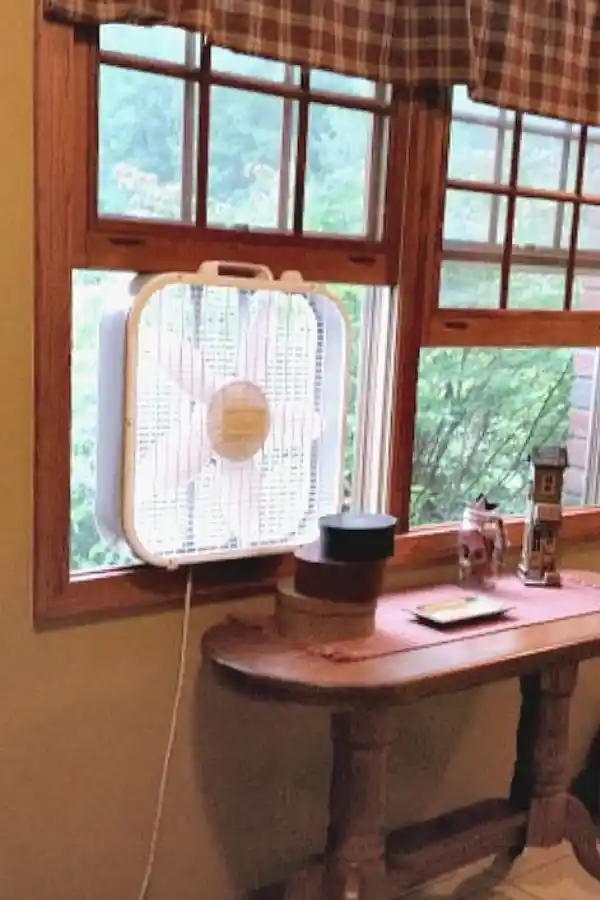
Portable fans can also make a significant difference. Place them near windows to push hot air outside or position them across from another window to create cross-ventilation.
A simple trick is to place a bowl of ice or a bottle of frozen water in front of a fan. The air passing over the cold surface creates a cooler breeze that can temporarily lower the temperature in a small area.
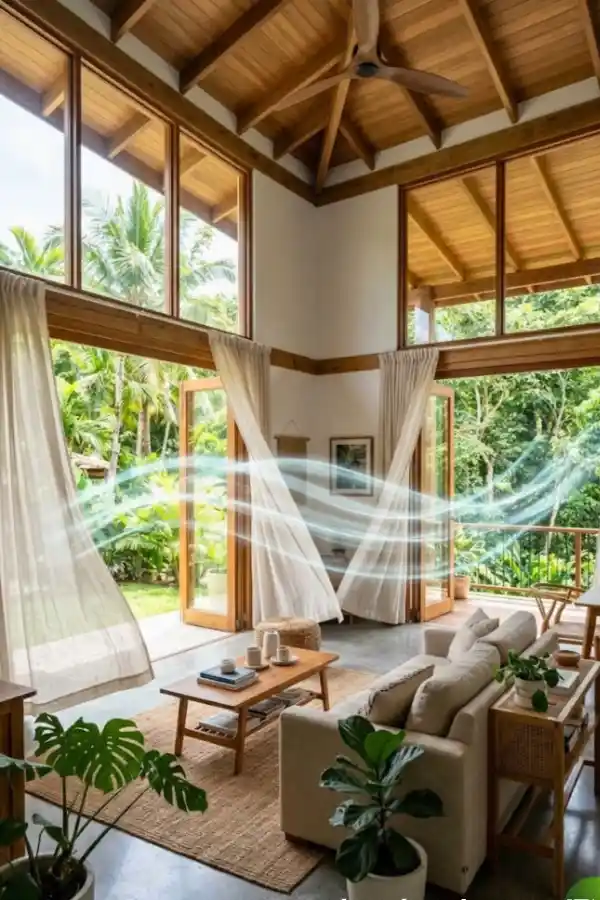
3. Create Cross-Ventilation in Your Home
Good ventilation is essential for keeping your house cool naturally. When hot air becomes trapped indoors, rooms can feel much warmer than the outside temperature.
Opening windows on opposite sides of your home allows fresh air to flow through and pushes warm air out.
Open Windows at the Right Time
During cooler periods, such as early morning and late evening, open windows to allow fresh air inside. Close them during the hottest part of the day when outdoor temperatures are higher.
This simple routine can reduce heat buildup and keep indoor temperatures more comfortable.
Use Doors to Improve Airflow
Keeping interior doors open allows air to move freely between rooms. This prevents heat from becoming concentrated in specific areas and improves overall ventilation.
4. Reduce Heat From Appliances
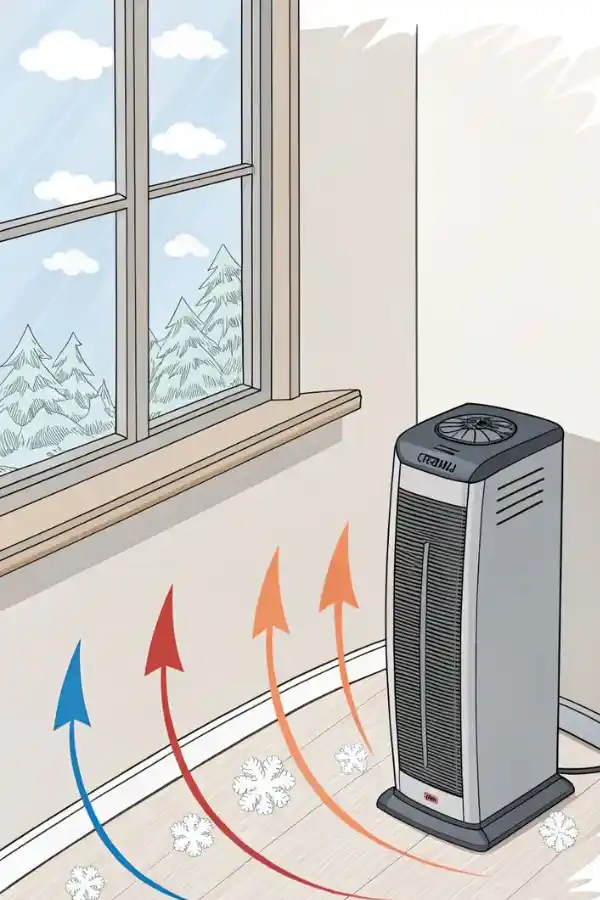
Many household appliances produce heat while operating. Ovens, dryers, computers, and some lighting systems can increase indoor temperatures, especially in smaller rooms.
During summer, try to limit the use of heat-producing appliances during the hottest hours of the day.
Cook Smarter During Hot Weather
Cooking with an oven can quickly warm up your kitchen and nearby rooms. Instead, choose alternatives such as outdoor grilling, microwave cooking, or preparing meals that do not require much heat.
Using smaller appliances, such as slow cookers or air fryers, can also reduce heat compared with traditional ovens.
Switch Off Unused Electronics
Computers, televisions, chargers, and gaming devices continue producing heat when running. Turn off electronics when they are not needed to reduce unnecessary warmth and save energy.
5. Use Energy-Efficient Lighting
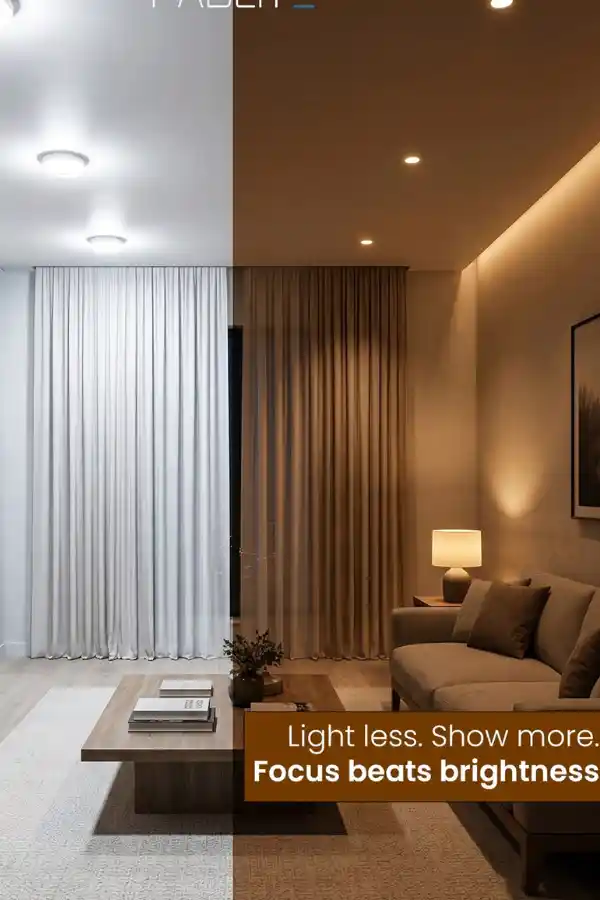
Traditional incandescent bulbs release a large amount of heat while producing light. Replacing them with LED bulbs can help keep your home cooler.
LED lights use less electricity and generate significantly less heat, making them a better choice for summer.
Make Use of Natural Light
During the daytime, take advantage of natural sunlight when it is cooler, but avoid allowing strong afternoon sunlight to heat your rooms.
Use windows strategically and switch off unnecessary lights to reduce indoor heat production.
6. Keep Your Roof and Attic Cool
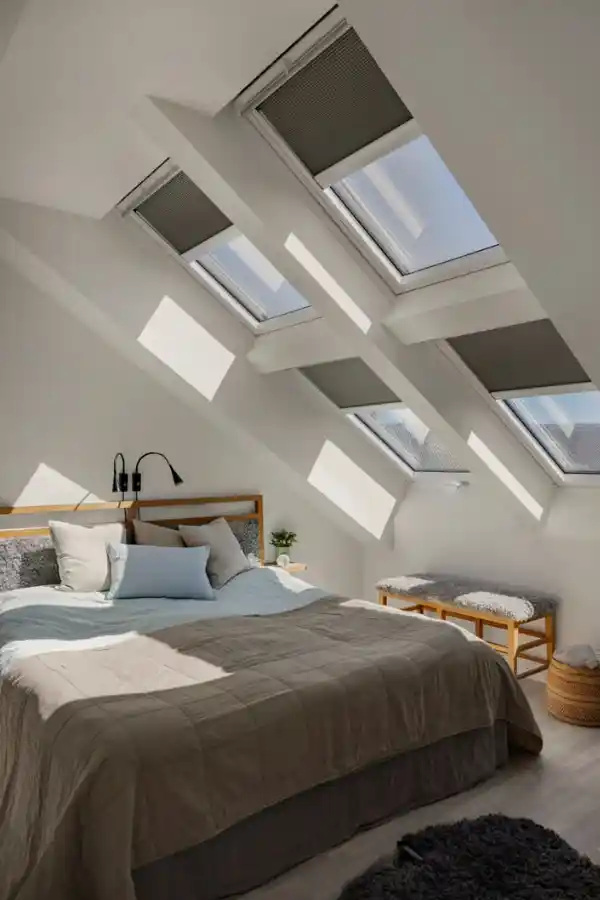
Heat often enters homes through the roof, especially if the attic lacks proper insulation. A hot roof can transfer warmth into living spaces, making your home uncomfortable even at night.
Improving insulation is one of the best long-term solutions for maintaining comfortable indoor temperatures.
Improve Attic Ventilation
Proper attic ventilation allows hot air to escape instead of becoming trapped above your ceiling. Installing vents or using attic fans can reduce heat buildup.
Consider a Reflective Roof Surface
Light-coloured or reflective roofing materials can reflect more sunlight and absorb less heat. This can help reduce the amount of heat transferred into your home during summer.
7. Add Indoor Plants for Natural Cooling
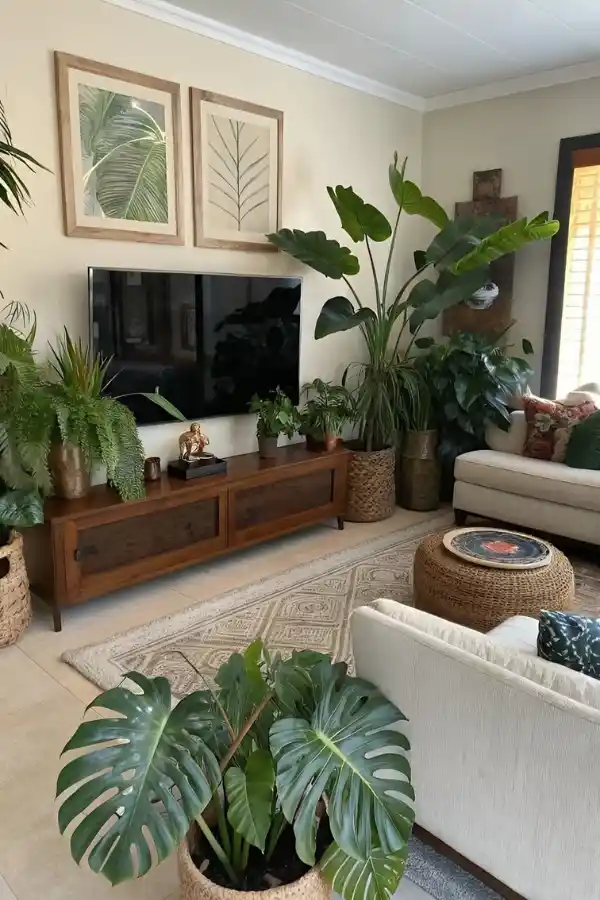
Plants can contribute to a cooler and more pleasant indoor environment. Through a process called transpiration, plants release moisture into the air, which can create a mild cooling effect.
Large leafy plants are particularly useful because they provide shade and improve indoor air quality.
Best Places for Cooling Plants
Place plants near windows where they can block direct sunlight or in areas where rooms feel warm. Plants with large leaves can provide additional shade while adding natural beauty to your home.
However, avoid overcrowding rooms with too many plants, as excessive humidity may make the space feel warmer in already humid climates.
8. Use Cooling Fabrics and Bedding
Your choice of fabrics can greatly affect how comfortable you feel during hot weather. Heavy blankets, synthetic materials, and thick carpets can trap heat.
Switching to lightweight and breathable materials can make bedrooms much cooler.
Choose Cotton and Linen Bedding
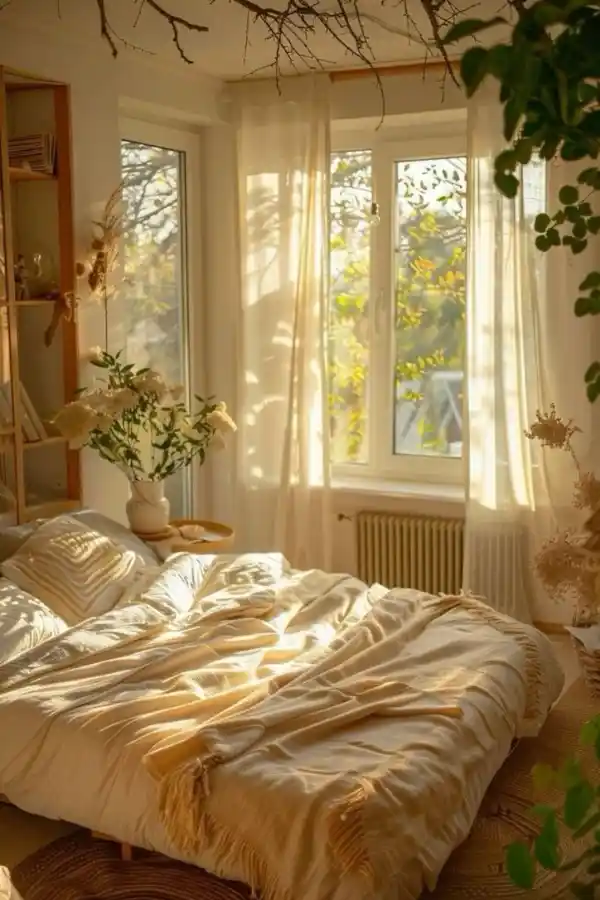
Cotton and linen sheets allow better airflow and absorb moisture, helping your body stay comfortable while sleeping.
Avoid polyester or heavy fabrics during summer because they can retain heat and make sleeping more difficult.
Adjust Your Sleeping Environment
Use thinner blankets, keep bedrooms well ventilated, and consider using a cooling mattress cover. Small changes can significantly improve comfort during warm nights.
9. Keep Your Home Cool With Water-Based Methods
Water can provide temporary cooling relief during extremely hot weather. Evaporation naturally removes heat and creates a cooling effect.
Simple water-based methods can make your home feel more comfortable without requiring expensive equipment.

Use Damp Curtains or Cooling Towels
In dry climates, lightly dampening curtains can help cool incoming air as it passes through. Similarly, placing a cool, damp towel around your neck can help lower body temperature.
Create a Cooler Outdoor Area
If you have outdoor space, adding shade, plants, and water features can create a cooler area where you can spend time instead of staying indoors during peak heat.
10. Change Your Daily Habits During Summer
Sometimes the best way to stay cool is to adjust your routine. Your activities, clothing choices, and habits can influence how warm your home feels.
Simple lifestyle changes can reduce the need for mechanical cooling.

Stay Cool by Managing Heat Exposure
Avoid activities that generate heat during the hottest times of the day. Exercise, cleaning, and other physical tasks are better done early in the morning or later in the evening.
Wear loose, breathable clothing made from natural fibres to help your body regulate temperature.
Create a Night Cooling Routine
At night, take advantage of lower outdoor temperatures. Open windows when the air outside is cooler, use fans to circulate air, and close curtains again in the morning to trap the cooler indoor air.
Conclusion: Stay Comfortable Naturally This Summer
Cooling your home without AC is possible with the right strategies and a few simple adjustments. Blocking sunlight, improving ventilation, reducing heat-producing activities, and using natural cooling methods can make a noticeable difference.
While air conditioning may provide instant relief, these alternatives can help reduce energy consumption, lower household costs, and create a more environmentally friendly home.
By combining several of these techniques, you can keep your house cooler and more comfortable throughout the summer while relying less on expensive cooling systems.
Frequently Asked Questions (FAQs)
How can I cool my house naturally without AC?
You can cool your house naturally by blocking direct sunlight, improving ventilation, using ceiling fans, reducing heat from appliances, adding indoor plants, and using breathable fabrics. These methods help lower indoor temperatures and improve comfort without increasing electricity costs.
Does using fans actually cool a room?
Fans do not lower the actual temperature of a room, but they improve air circulation and create a wind-chill effect that makes your body feel cooler. Using fans with open windows during cooler hours can also help remove warm air from your home.
What is the fastest way to cool a room without AC?
The fastest ways to cool a room without AC include closing curtains or blinds to block sunlight, opening windows for cross-ventilation when outdoor air is cooler, placing a fan near a window to push hot air out, and using ice or cold water near a fan for temporary cooling.
Should I keep windows open or closed during hot summer days?
During the hottest part of the day, it is usually better to keep windows closed and covered to prevent hot air and sunlight from entering. Open windows during early mornings and evenings when outdoor temperatures are lower to bring in cooler air.
Do indoor plants help reduce heat inside a house?
Indoor plants can provide a small cooling effect through transpiration, where they release moisture into the air. They can also provide shade and improve indoor air quality, although they should be combined with other cooling methods for better results.
Which type of curtains are best for keeping a house cool?
Light-coloured, thick, or blackout curtains are effective for reducing heat because they block sunlight and prevent heat from entering through windows. Thermal curtains are especially useful for homes that receive strong afternoon sunlight.
How can I keep my bedroom cool at night without AC?
To keep your bedroom cool at night, use lightweight cotton or linen bedding, improve airflow with fans, open windows when outdoor temperatures drop, and avoid using heat-producing electronics before bedtime.
Does cooking make the house warmer in summer?
Yes, cooking with ovens and stovetops can increase indoor temperatures because they release heat. During hot weather, consider preparing meals using smaller appliances, cooking outdoors, or making foods that require less heat.
Can insulation help keep a house cooler in summer?
Yes, proper insulation helps slow down heat transfer between the outside and inside of your home. Good insulation, especially in attics and roofs, keeps warm outdoor air from entering during summer and helps maintain a more stable indoor temperature.