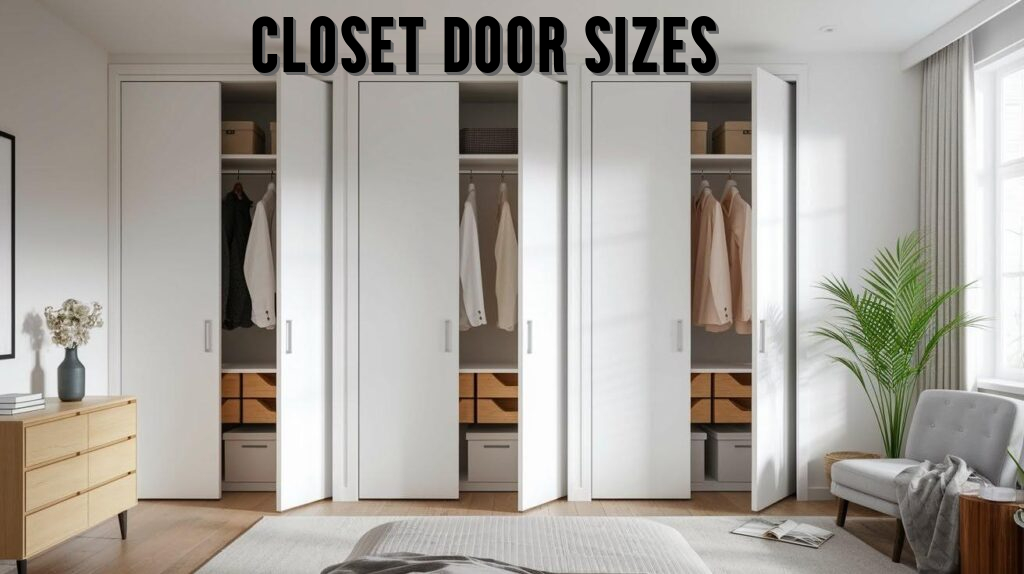
Choosing the right closet door is essential for both the functionality and aesthetics of your room. Whether you’re designing a new closet or upgrading an existing one, understanding closet door sizes and installation options can help you make an informed decision. This guide will walk you through everything you need to know about closet door sizes, types, and installation to make your closet both functional and stylish.
What Are Closet Door Sizes?
Closet doors come in various sizes depending on the type of door and the space you’re working with. Understanding these sizes will help ensure a proper fit and a smooth installation process. Most closet doors come in standard sizes, but custom options are also available for unique spaces.
Standard Closet Door Sizes
In the U.S., the most common closet door sizes are:
- Width: 24 inches, 28 inches, 30 inches, 32 inches, and 36 inches.
- Height: The typical closet door height is 80 inches, though this can vary depending on ceiling height or custom needs.
- Double Doors: For wider closet openings, double doors can range from 48 inches to 72 inches in total width.
It’s always essential to measure your closet opening carefully before purchasing any doors to ensure a proper fit. This way, you avoid unnecessary adjustments and potential installation problems.
Closet Door Types and Configurations
Choosing the right closet door size goes hand-in-hand with selecting the right door style. There are several door types, each offering different benefits and suited to various spaces. The configuration you choose can impact both the look and functionality of your closet.
Sliding Closet Doors
Sliding doors glide along a track and are ideal for wide closets. They take up minimal floor space and are especially useful in areas where you want to save space. They are perfect for both modern and traditional styles, making them a popular choice.
- Best for: Large closets with enough space for tracks.
- Advantages: Space-saving, minimal floor clearance.
- Disadvantages: Can be harder to access parts of the closet due to the door sliding.
Bi-Fold Closet Doors
Bi-fold doors fold in the middle and open outward. They are often used for smaller closets where space is tight, as they take up less room than hinged doors. These doors are lightweight, affordable, and perfect for narrow openings.
- Best for: Small or narrow spaces.
- Advantages: Space-saving, easy to open, and light.
- Disadvantages: Limited access compared to other types of doors.
Bypass Closet Doors
Bypass doors slide over each other on parallel tracks. These are often found in reach-in closets where there is limited space for doors to swing open. They are a great solution for closets that need a door system that doesn’t take up additional space.
- Best for: Reach-in closets.
- Advantages: Efficient use of space, sleek look.
- Disadvantages: Limited accessibility since the doors overlap.
How to Choose the Right Closet Door Size
When it comes to choosing the right size, the most important factor is the measurement of your closet opening. Taking accurate measurements is crucial for selecting a door that fits perfectly.
Measuring Your Closet Opening
- Width: Measure the width of your closet opening from one side to the other at the top, middle, and bottom. Use the smallest measurement to ensure the door fits within the frame.
- Height: Measure the height from the floor to the top of the frame. If you plan to use custom doors, allow a little clearance for smooth movement.
- Depth: Make sure your closet space can accommodate the type of door you choose. For sliding doors, there must be enough space to allow for the sliding track, and for bi-fold doors, ensure that there’s enough clearance for the doors to fold inward.
Standard vs. Custom Closet Doors
While standard closet door sizes are suitable for most closets, there are instances when custom-sized doors are necessary. For example, if your closet is in a corner or has non-standard dimensions, custom doors can help achieve a perfect fit. Custom closet doors may also be chosen for aesthetic reasons, such as adding a more luxurious or personalized touch to your space.
- Custom Closet Doors: Ideal for non-standard spaces or when you want to achieve a particular style. Custom options like barn doors or pivot doors are popular for their modern, statement-making look.
Closet Door Installation Tips
Once you’ve selected your closet door size and style, it’s time to install it. While installing closet doors can be a DIY project, there are some essential tips to follow to avoid mistakes and ensure a smooth installation.
What You Will Need
- A level to ensure everything is aligned properly.
- A drill or screwdriver for installing screws.
- A tape measure to measure the closet opening and door sizes accurately.
- Hardware such as the track system, hinges, guides, and handles, which come with your door.
Common Installation Mistakes to Avoid
- Not leveling the tracks or guides: Ensuring that the tracks are level is crucial to prevent the door from getting stuck or misaligned.
- Choosing the wrong size: Always double-check your measurements to avoid purchasing a door that’s too small or too large for the space.
- Forgetting clearance for wall moldings: Make sure to leave room for any wall moldings or trim around the door frame.
When to Go Custom
In some cases, particularly with older or uniquely designed spaces, you may need to go for custom doors. Custom closet doors can be crafted to match the specific measurements and style of your closet. Whether you want a pivot door, a barn door, or a unique finish, custom doors offer a level of design flexibility that standard doors cannot provide.
The Benefits of Closet Door Sizes and Proper Installation
Choosing the right closet door size and configuration can significantly enhance your space in several ways:
- Improved functionality: Properly sized doors make it easier to access your closet, saving you time and frustration.
- Maximized space: By choosing the right door type and size, you can make the best use of the available space in your closet, whether it’s a large walk-in or a small reach-in.
- Increased value: High-quality, well-installed closet doors improve the aesthetic appeal and overall value of your home.
Conclusion
When it comes to selecting the perfect closet door, understanding closet door sizes and configurations is key. Whether you choose sliding, bi-fold, or bypass doors, the right size and style can improve the functionality of your closet and elevate the overall look of your space. Always take the time to measure your closet opening and choose the door style that suits your needs. With the right installation and a bit of patience, your closet will be more accessible and stylish than ever.