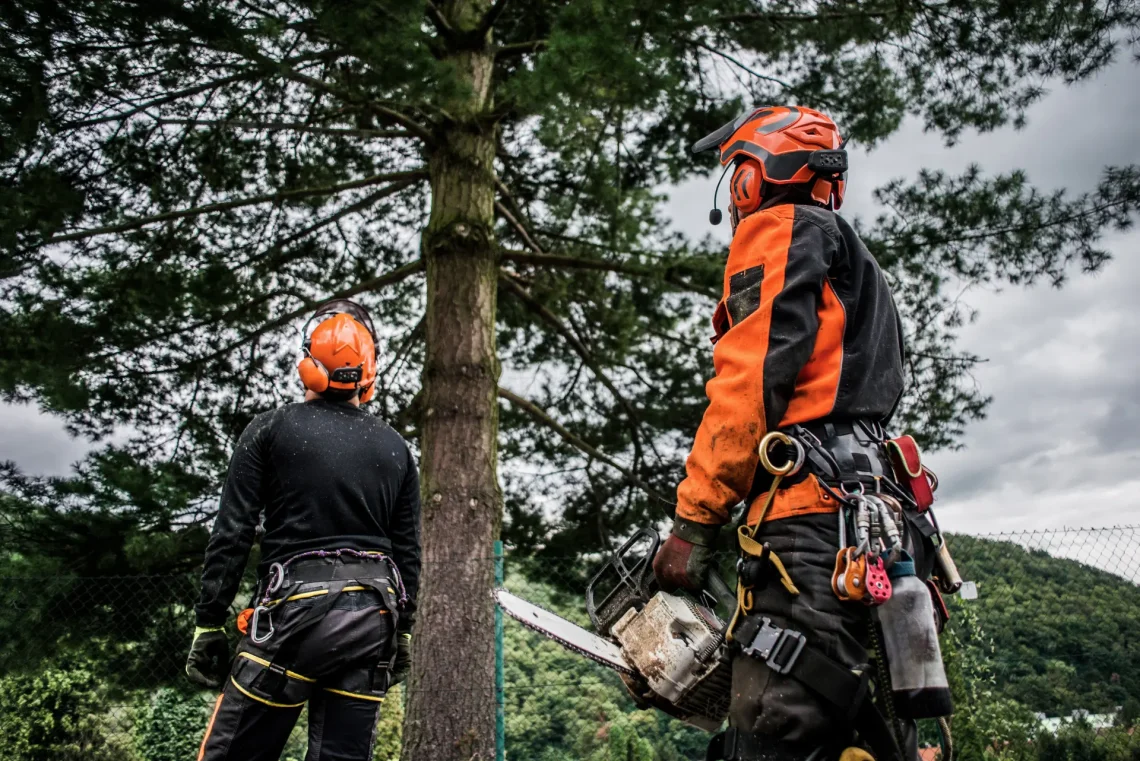
Planting or relocating trees involves more than simply digging holes. An arborist, also called a tree doctor, has the knowledge and skills to help trees grow and thrive. They handle installation, transplanting, aftercare, and create ongoing care plans customized to your property. Asking the right questions can help you understand how each service contributes to your trees’ long-term health. Here are a few common questions to ask an arborist:
Which Trees Suit My Property?
An arborist evaluates factors such as soil, sunlight, drainage, and available space. They help identify tree species suited to your property’s conditions. Tree selection also involves evaluating how a tree contributes to privacy and complements existing landscaping; experts suggest a diverse mix to add interest and variety to your outdoor space. Choosing trees that fit the property’s scale, layout, and practical requirements can make planting and maintenance more straightforward.
How Should Trees Be Planted?
Tree doctors handle and oversee the tree installation process. Learn about your soil to determine which amendments, like compost or specific mulches, will support your trees’ growth. You can also ask about the best planting methods to help them thrive in your landscape.
Key aspects to discuss during tree installation include site preparation, planting layout, and proper spacing. A detailed site plan helps determine where each tree should go, balancing aesthetics and growth needs. Arborists advise on digging techniques, root handling, and staking. For residential properties, they will also coordinate tree placement around pools and other structures to avoid conflicts and support long-term care.
Can a Tree Be Transplanted?
Tree transplantation involves moving a tree from one location to another and requires professional assessment. An arborist evaluates the tree’s age, health, and root structure to determine if relocation is feasible. Successful transplanting depends on careful planning, including timing and root preparation. Trees are typically moved while dormant, which helps preserve the root system. Aftercare is necessary and may include staking, support bands, and monitoring until the tree becomes fully established.
What Ongoing Tree Care Is Needed?
Proper care after planting is key for a tree to establish and grow successfully. Ask your arborist about specific aftercare measures, including regular watering schedules, mulching techniques, and support methods such as staking or guying. Monitoring newly planted trees in the early months allows you to identify problems like improper growth or crowding before they become serious.
Adjustments at this stage can help improve long-term outcomes. Such adjustments include repositioning stakes, pruning small branches, or improving soil conditions. Ongoing care extends beyond the first season. Routine pruning, seasonal inspections, and health assessments help prevent disease or interference with nearby structures.
Whether for newly planted trees or mature specimens, follow-up services from a tree care professional can include fertilization and soil amendments tailored to your landscape. Consistent maintenance programs not only support growth but also enhance the tree’s appearance and overall health. Establishing a long-term care plan verifies that your trees remain strong, safe, and visually appealing for many years. Ongoing care allows you to track the tree’s growth and adjust maintenance as needed.
Contact a Local Arborist Today
Meeting with a tree doctor gives you guidance specific to your property’s conditions. A consultation will provide practical information on tree selection, placement, planting techniques, and ongoing care. Bring your landscape goals and prepare questions about your home or business to make the most of the discussion with the tree care professional. Collaborating with an arborist, from site preparation through routine maintenance, makes sure that each step is planned and executed effectively. Contact a certified arborist today to review your tree needs and get expert advice tailored to your property.
Stay in touch to get more updates & news on Lyposingrass!