When researching home emergency cover, many homeowners look into HomeAssure complaints before making a final decision. This is a smart and responsible step. Complaints and reviews help potential customers understand how a company performs during real-life emergency situations, not just how it markets its services.
Home emergency cover is designed to provide peace of mind. When heating fails in winter or a pipe bursts unexpectedly, homeowners rely on fast support and clear communication. If expectations are not met, dissatisfaction can follow. However, it’s important to evaluate complaints with balance and context rather than focusing only on isolated negative experiences.
Why Homeowners Research Complaints
Home emergency providers typically offer assistance for urgent issues such as boiler breakdowns, central heating failures, plumbing leaks, electrical faults, and blocked drains. These situations are stressful and often require immediate attention. Because of this urgency, customer expectations are naturally high.
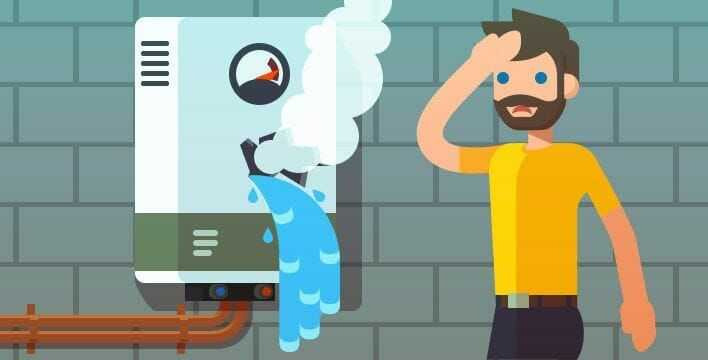
When service delays happen during high-demand seasons, even small waiting times can feel significant. Emotional stress plays a major role in how customers perceive their experience.
Common Themes Found in HomeAssure Complaints
While experiences vary from person to person, several common themes tend to appear in customer discussions.
Engineer Response Times
One of the most frequently mentioned concerns relates to waiting times for engineer visits. During colder months, demand for heating repairs increases sharply. This seasonal surge can affect scheduling across the entire industry. Delays are often operational rather than intentional, but in urgent situations they can lead to frustration.
Coverage Misunderstandings
Home emergency policies usually contain detailed terms and conditions. These may include exclusions for pre-existing issues, wear and tear, lack of maintenance, claim limits, and waiting periods after purchase. Some complaints arise when customers discover that a specific repair is not covered under their plan. In many cases, this stems from misunderstanding policy wording rather than unfair refusal.
Claim Rejections
Claim declines can be particularly upsetting. Common reasons may include lack of servicing records, faults existing before policy activation, or repairs classified as non-emergency. Understanding what qualifies as an emergency repair helps prevent unrealistic expectations.
Communication Gaps
Another frequent concern involves communication. Customers sometimes report delayed updates, unclear explanations, or difficulty reaching support teams. Even when repairs are eventually completed, communication issues can negatively impact overall satisfaction.
Clear and proactive communication often makes the difference between a neutral and negative experience.
Why Complaints Occur in the Home Emergency Industry
It’s important to understand that complaints are not unique to one provider. The home emergency sector faces operational challenges such as high seasonal demand, reliance on regional contractors, urgent repair expectations, and complex policy language. When households experience unexpected breakdowns, stress levels increase. In these moments, even minor inconveniences can feel amplified.
Technical documentation can also contribute to misunderstandings. Insurance-style policies are often written in formal language. If customers do not review terms carefully before purchasing, surprises may occur later during claims.
Also Read : Why Mold Grows on Outside of House and How to Stop It Naturally
How Complaint Resolution Typically Works
Most regulated providers follow structured complaint-handling processes. After a formal complaint is submitted, the company usually conducts an internal investigation. This may include reviewing engineer reports, call recordings, and policy documents. A written response is then provided within a regulated timeframe.
If the customer remains dissatisfied, escalation options are typically available. Depending on the region, complaints can be referred to an independent ombudsman or dispute resolution authority. The existence of such procedures ensures accountability and consumer protection.
How to Reduce the Risk of Disputes
There are practical steps homeowners can take to minimize misunderstandings. Carefully reviewing the full policy document before purchasing is essential. Pay attention to exclusions, coverage limits, waiting periods, and servicing requirements. Keeping maintenance records, especially for boilers and heating systems, can prevent claim complications. Reporting issues promptly and asking questions before signing up also helps avoid confusion.
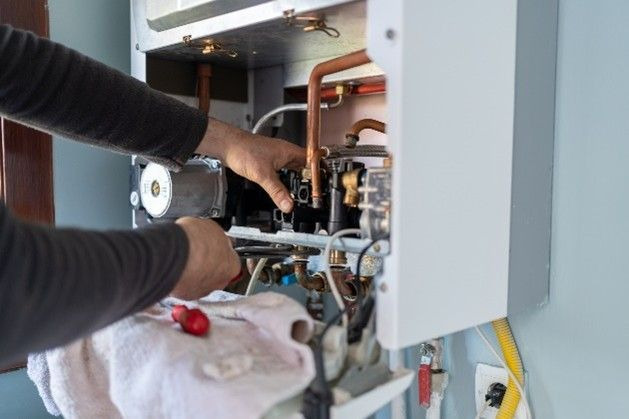
Being proactive reduces the likelihood of disappointment later.
Frequently Asked Questions
Are HomeAssure complaints common?
Like most service-based companies, complaints do occur occasionally. The key factor to assess is how the company responds and resolves issues rather than the existence of complaints alone.
Why are heating-related complaints more frequent in winter?
Winter brings higher demand for heating and boiler repairs, which can impact engineer availability across the industry.
What should I do if my claim is declined?
Review your policy wording carefully and request a formal explanation. If you believe the decision is incorrect, use the company’s official complaint process.
Can complaints be escalated externally?
Yes, depending on your location, unresolved complaints may be referred to an independent ombudsman or regulatory body.
How can I avoid misunderstandings about coverage?
Always read the complete policy document and ask for clarification on exclusions, limits, and maintenance requirements before purchasing.
Final Thoughts
Researching HomeAssure complaints is part of responsible decision-making. Complaints provide insight into potential service challenges, but they should be evaluated in context. Every provider in the home emergency industry encounters operational pressures, particularly during peak seasons.
Rather than focusing solely on negative feedback, consider overall transparency, complaint handling procedures, regulatory compliance, and communication standards. Understanding policy terms in advance and maintaining your household systems regularly can significantly reduce the likelihood of disputes.
A well-informed homeowner is far less likely to face unexpected frustrations. By balancing research with realistic expectations, you can make a confident and informed choice about home emergency cover.
Stay in touch to get more updates & news on Lyposingrass!