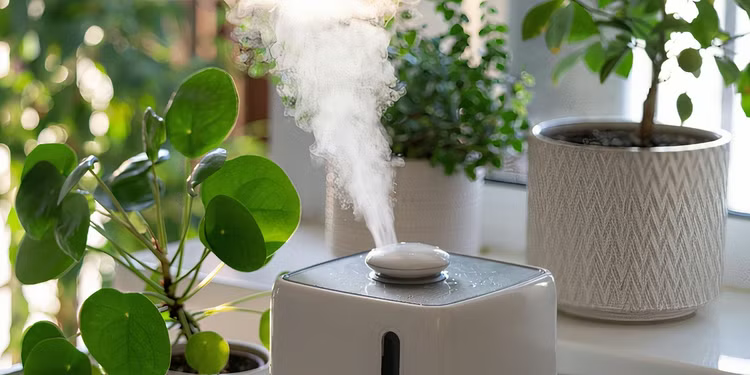
Dry indoor air can cause real problems. It can lead to dry skin, scratchy throats, static shocks, and even cracked wood furniture. Therefore, many people want to learn how to increase humidity in home spaces during dry seasons. The good news is that you have plenty of easy options.
In this guide, you will discover twelve practical ways to raise the moisture in your air. Some methods cost almost nothing, while others use simple devices. As a result, you can choose the approach that fits your budget and your home. Let us start with why humidity matters in the first place.
Why Indoor Humidity Matters
Humidity measures the amount of water vapor in the air. When the level drops too low, your comfort and health can suffer. For example, dry air pulls moisture from your skin, lips, and nasal passages. Consequently, you may feel itchy, dry, or congested.
Low humidity affects your home, too. Wood floors and furniture can crack over time. In addition, dry air increases static electricity and can make a room feel colder than it really is. Therefore, the air may force you to turn up the heat and waste energy.
Most experts suggest keeping indoor humidity between 30% and 50%. To track it, you can buy a small device called a hygrometer. Because it shows the exact level, you always know when to add more moisture.
How to Increase Humidity in Home: 12 Easy Methods
Now, let us explore the best ways to raise your indoor humidity. You can combine several of these methods for even better results.
1. Use a Humidifier
A humidifier is the fastest and most reliable solution. It releases a fine mist or vapor into the air. As a result, the moisture level rises quickly and stays steady.
You can choose a small unit for one room or a larger one for the whole house. Moreover, many models let you set a target humidity level. However, you must clean the device often. Otherwise, mold and bacteria can build up inside.
2. Dry Your Laundry Indoors
This method costs nothing extra. Instead of using a dryer, hang your wet clothes on a rack inside. As the clothes dry, the water evaporates into the air. Therefore, the room gains moisture naturally.
For the best effect, place the rack in the room you use most. In winter, this simple habit can make a noticeable difference.
3. Add Houseplants
Plants do more than brighten a room. In fact, they release moisture through a process called transpiration. As a result, a group of healthy plants can slowly raise the humidity around them.
Some plants work especially well, such as peace lilies, spider plants, and ferns. Furthermore, you boost the effect each time you water them. So, plants offer beauty and moisture at the same time.
4. Leave the Bathroom Door Open
After a hot shower, your bathroom fills with steam. Normally, you might run the fan and close the door. Instead, turn off the fan and leave the door open. Consequently, that warm, moist air spreads into the rest of your home.
This trick works best in cooler months. It uses moisture you already create, so it costs you nothing.
5. Place Water Bowls Near Heat Sources
Heat speeds up evaporation. Therefore, you can set shallow bowls of water near radiators or warm vents. As the water warms, it slowly evaporates into the air.
For a nicer look, use decorative bowls or vases. You can also add a few stones or marbles. Either way, this low-cost method adds steady moisture.
6. Cook on the Stovetop
Cooking releases a surprising amount of steam. So, choose stovetop methods like boiling and simmering more often. For example, simmering soup or boiling pasta sends moisture into the kitchen air.
In addition, you can boil a pot of water on purpose. As the water heats, the steam raises the humidity. Just keep an eye on the pot so it does not boil dry.
7. Use a Spray Bottle
Sometimes you need a quick fix. In that case, fill a spray bottle with clean water and mist the air. You can also lightly mist curtains or rugs.
Because the effect fades fast, repeat it as needed. Still, this method works well for small spaces or short-term comfort.
8. Get an Aquarium
An aquarium adds calm and beauty to a room. At the same time, the open water evaporates slowly into the air. As a result, you gain a gentle, steady source of humidity.
A larger tank releases more moisture than a small one. Therefore, fish lovers get a bonus benefit they may not expect.
9. Vent Your Dryer Wisely
Most clothes dryers send hot, moist air outside. However, some people choose indoor-safe options for electric dryers. If you go this route, use a proper indoor vent kit with a lint filter.
This method can add humidity in winter. Still, use it carefully, since too much moisture can cause other problems.
10. Place Damp Towels on Radiators
This old-fashioned trick still works well. Simply dampen a towel and lay it over a warm radiator. As the heat dries the towel, the moisture moves into the air.
Because radiators stay warm for hours, the towel releases moisture slowly. Therefore, you get steady humidity with very little effort.
11. Seal Drafts and Air Leaks
Dry outdoor air often sneaks in through gaps and cracks. As a result, it lowers your indoor humidity. So, seal drafts around windows, doors, and outlets.
You can use weatherstripping, caulk, or door sweeps. In addition, sealing leaks helps you save on heating costs. Thus, this step improves both comfort and efficiency.
12. Lower the Thermostat Slightly
Warm air holds more moisture, but heating systems often dry the air out. Therefore, running the heat too high can make the problem worse. Try lowering your thermostat by a few degrees.
A cooler setting reduces how fast moisture evaporates. As a result, your home may feel more comfortable. Plus, you save a little energy along the way.
Tips for Maintaining Healthy Humidity
Adding moisture is only half the job. Next, you must keep the level balanced. Too much humidity can cause mold, so aim for that 30% to 50% range.
Use these simple tips to stay on track:
- Monitor with a hygrometer. Check the level often, especially in winter.
- Clean your humidifier weekly. This prevents mold and bacteria.
- Watch for condensation. Foggy windows may mean the air is too humid.
- Adjust by season. Add more moisture in dry winter months and less in humid summers.
These habits protect your home and your health at the same time.
Frequently Asked Questions
What is the ideal indoor humidity level?
Most experts recommend keeping it between 30% and 50%. This range supports comfort and helps protect your home.
Can I increase humidity without a humidifier?
Yes. You can dry laundry indoors, add plants, boil water, or place water bowls near heat. These low-cost methods all work well.
Can too much humidity be harmful?
Yes. High humidity can cause mold, dust mites, and musty odors. Therefore, always keep the level balanced.
Final Thoughts
Learning how to increase humidity in home spaces does not have to be hard or costly. You can run a humidifier, dry clothes indoors, add plants, or simply boil water on the stove. Better yet, you can combine several methods for steady results.
Above all, keep your humidity within the healthy range and check it often. With these simple steps, you can enjoy softer skin, easier breathing, and a more comfortable home all year long.