Many people are curious about the daily life of Native American groups along the Gulf Coast. One common question is this: what type of homes did the Atakapa tribe live in? The short answer is that they built lightweight, thatched dwellings suited to a warm, wet climate. However, the full story is far more interesting.
In this article, you will learn where the Atakapa lived, how they built their homes, and why those designs made sense. In addition, you will see how their seasonal lifestyle shaped their shelters. As a result, you will gain a clear picture of their daily life and culture.
Who Were the Atakapa People?
First, it helps to know who the Atakapa were. They called themselves the Ishak, which means “the people.” Their homeland stretched across the coastal and bayou areas of southwestern Louisiana and southeastern Texas. Therefore, they lived in a humid, low-lying region full of rivers, marshes, and wildlife.
The Atakapa were not a single unified nation. Instead, they formed loose bands that moved within a set territory. For example, the Akokisa and Deadose bands lived farther west, near the Neches River and beyond. Each band often had its own animal symbol, such as an alligator, snake, or eagle.
These groups lived by hunting, fishing, and gathering. They caught fish and shellfish, hunted deer and small game, and collected roots and wild plants. Because of this lifestyle, their homes needed to match their movements across the land.
What Type of Homes Did the Atakapa Tribe Live In?
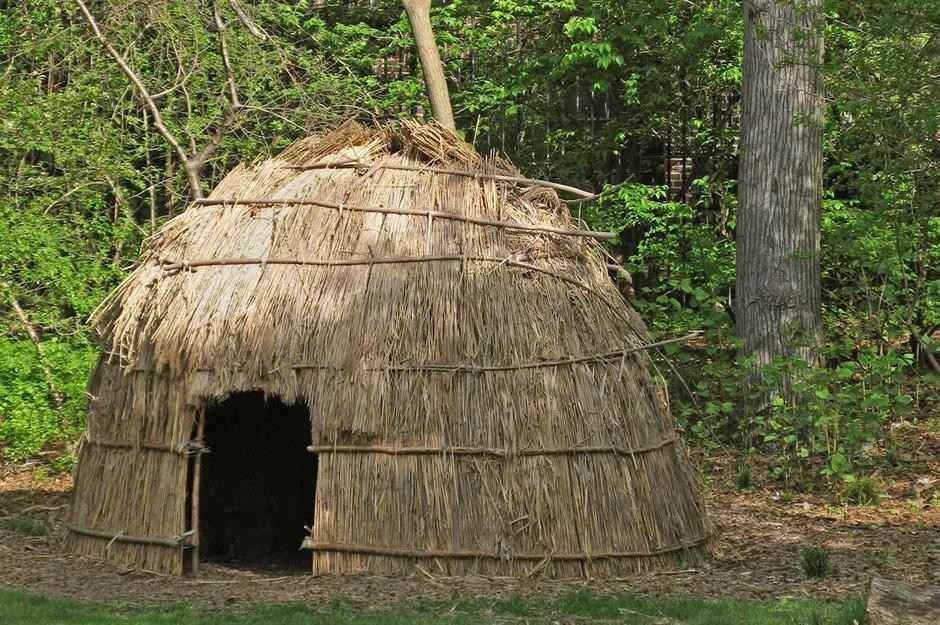
So, what type of homes did the Atakapa tribe live in? In general, they built dome-shaped or rounded huts framed with wooden poles. Then, they covered those frames with thatch, woven mats, or hides. As a result, the finished homes were light, airy, and easy to repair.
Several key features defined these dwellings:
- Pole frames: Builders set flexible wooden poles into the ground and bent them into a dome or beehive shape.
- Thatched roofs: They covered the frames with grass, palm fronds, or similar plant material.
- Woven mats and hides: Walls might include woven mats or animal hides for added shelter.
- Open, airy design: The structures allowed air to flow through, which kept interiors cooler.
Because the climate was warm and humid, ventilation mattered far more than heavy insulation. Therefore, the Atakapa avoided thick stone or earth walls. Instead, they favored breathable materials that handled heat, rain, and insects well.
Why These Homes Suited the Gulf Coast
The Atakapa homes reflected a deep understanding of their environment. The Gulf Coast brings heat, humidity, heavy rain, and rising water levels. As a result, builders needed shelters that could resist moisture and stay cool.
Thatched roofs handled this challenge nicely. For one, they shed rain effectively. Moreover, the layered grass or palm provided shade while still letting heat escape. Consequently, families stayed comfortable during long, warm summers.
The lightweight design offered another benefit. Because the homes used local, renewable materials, builders could repair or rebuild them quickly. In short, the Atakapa practiced a form of sustainable living long before that term existed.
How the Seasons Shaped Atakapa Housing
The Atakapa often moved with the seasons, and this rhythm shaped their shelters. In the summer, many families traveled to the coast. There, they fished, gathered shellfish, and took advantage of coastal resources.
In the winter, they moved inland instead. During the colder months, they lived in villages built from poles and thatch. Therefore, their settlements shifted with the food supply and the weather.
Not every band built the same kind of home, though. For instance, the Bidai band reportedly used bearskin tents. This shows that the Atakapan peoples adapted their housing to their specific needs and surroundings.
Special Homes for Leaders
Most homes served ordinary families. However, some structures held greater importance. Important leaders and medicine men sometimes lived in homes built on earthen mounds. Earlier cultures, such as the Mississippian peoples, had created many of these mounds long before.
These raised homes carried social meaning. A home on a mound likely signaled status and respect within the community. As a result, housing did more than provide shelter; it also reflected a person’s role in the group.
More Than Just Shelter
For the Atakapa, a home meant more than protection from the weather. In fact, these dwellings supported community life in many ways. Families gathered inside and around them to cook, rest, and share stories.
Evening fires often became the heart of social life. There, elders passed down traditions, history, and lessons to younger generations. Therefore, each home played a role in keeping the culture alive.
In addition, the skill of building these homes was itself a tradition. Builders learned techniques from those who came before them. As a result, knowledge about local materials and construction passed steadily from one generation to the next.
How Atakapa Homes Compared to Other Tribes
Native American housing varied widely across North America. Climate, materials, and culture shaped each design. The Atakapa homes fit this larger pattern, yet they stood apart in clear ways.
For example, northeastern tribes often built long, sturdy longhouses for colder climates. Meanwhile, Southwestern peoples built thick adobe pueblos suited to dry desert heat. By contrast, the Atakapa favored light, breathable huts for a humid coastal setting.
This comparison highlights an important point. Native peoples did not build the same homes everywhere. Instead, they matched their dwellings to the land around them. Consequently, the Atakapa design reveals smart, practical choices for the Gulf Coast.
What Happened to the Atakapa?
The Atakapa faced great hardship after European contact. During the late 1700s, many people died from new diseases. As a result, the surviving population fell sharply.
Many survivors joined nearby groups, such as the Caddo, Koasati, and Houma. Even so, they carried parts of their traditions with them. Today, several groups identify as descendants of the Atakapa and continue to honor their heritage. Therefore, the story of the Atakapa is not only about the past but also about a living legacy.
Frequently Asked Questions
What type of homes did the Atakapa tribe live in?
They mostly lived in dome-shaped huts made from wooden pole frames covered with thatch, woven mats, or hides.
Why were Atakapa homes so light and open?
Their warm, humid climate called for ventilation over insulation. So, they chose breathable materials that stayed cool and shed rain.
Did the Atakapa move during the year?
Yes. Many bands moved to the coast in summer and inland in winter, following food and weather.
Did all Atakapa bands build the same homes?
No. Most used pole-and-thatch huts, but some, like the Bidai band, used bearskin tents instead.
Final Thoughts
So, what type of homes did the Atakapa tribe live in? They built light, dome-shaped huts from poles and thatch, perfectly designed for the warm Gulf Coast. These homes were cool, flexible, and easy to rebuild. Moreover, they reflected a deep respect for nature and community.
In the end, Atakapa housing tells a larger story. It shows a people who understood their land and built their lives around it. Their homes were practical, sustainable, and rich with meaning.