Many families want the room of a traditional house without the high price tag. For that reason, triple wide manufactured homes have grown more popular every year. These spacious factory-built homes offer wide rooms, open layouts, and plenty of bedrooms. Moreover, they often cost far less per square foot than a site-built house.
In this guide, you will learn what triple wide manufactured homes are, how big they get, and what they cost. In addition, you will discover their main benefits, a few drawbacks, and smart tips for buying one. By the end, you can decide whether this type of home fits your needs and your budget.
What Are Triple Wide Manufactured Homes?
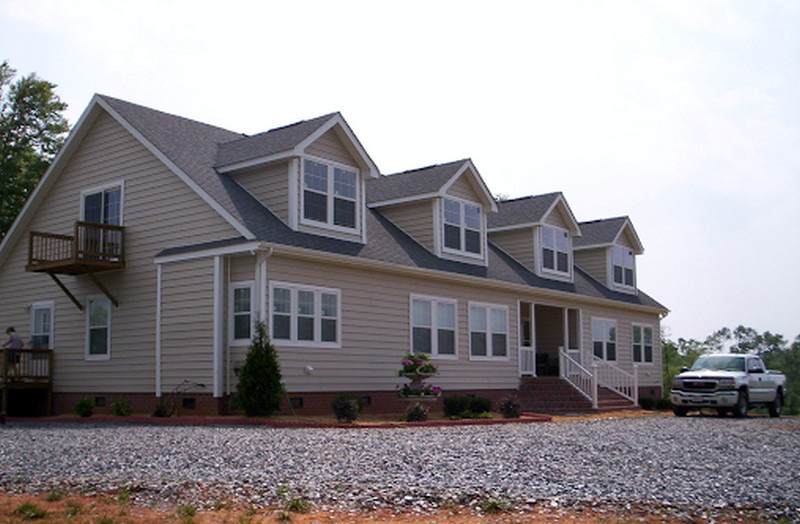
A triple wide manufactured home is built in three separate sections at a factory. Workers then transport each section to your land and join them on-site. As a result, the finished home looks and feels like one large, seamless house.
Because builders construct these homes indoors, weather rarely slows the process. Therefore, the work stays on schedule and produces less waste. Every triple wide must also follow the U.S. Department of Housing and Urban Development (HUD) code. This national standard covers safety, energy use, and durability. Consequently, buyers get a home built to strict, consistent rules.
It helps to compare the three main types of manufactured homes:
- Single-wide homes: Built in one section, usually 14 to 18 feet wide. They are compact and budget-friendly.
- Double-wide homes: Made in two sections, offering roughly 28 to 36 feet of width. They strike a balance between space and cost.
- Triple wide manufactured homes: Built in three sections, delivering the most space and the widest layouts.
In short, a triple wide gives you the most room of the three. For larger families or anyone who wants separate living zones, that extra space matters a great deal.
How Big Are Triple Wide Manufactured Homes?
Size is the main reason people choose these homes. Most triple wides measure about 40 to 60 feet wide and 60 to 90 feet long. As a result, the total living area often ranges from 1,600 to more than 4,500 square feet. Many popular models land between 2,000 and 3,600 square feet.
That space allows for a flexible floor plan. For example, you can fit a large living room, a roomy kitchen, and multiple bathrooms. In addition, most triple wides include three to six bedrooms and two to four bathrooms. Some buyers add a home office, a gym, or a hobby room as well.
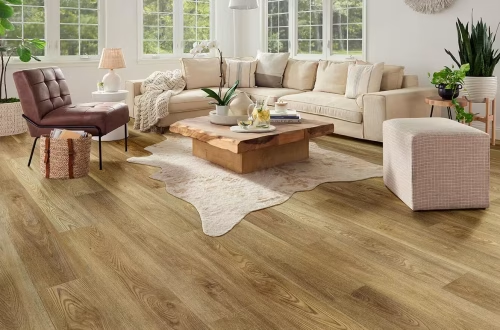
The wide design also creates a different feel. Because the rooms and hallways are broader, the home feels open and airy. Many buyers say it feels just like a house built on-site, without the cramped, narrow feeling some people expect from manufactured homes.
How Much Do Triple Wide Manufactured Homes Cost?
Price depends on size, features, and your location. Still, triple wides cost less per square foot than most traditional homes. A new triple wide often starts around $200,000, though averages and builder quotes vary widely. Many builder examples fall between roughly $214,000 and $340,000, depending on the layout and upgrades.
However, the home itself is only part of the total cost. You should also plan for these added expenses:
- Land: A lot can cost anywhere from about $10,000 to $100,000 or more, based on the area.
- Site preparation: You may need grading, a foundation, and utility hookups.
- Delivery and setup: Moving and assembling the sections can add several thousand dollars.
- Lot rent: If you place the home in a community, monthly rent often runs a few hundred dollars.
Because these costs add up, always ask each builder what the final quote includes. That one question helps you avoid surprise charges later. Furthermore, it lets you compare offers fairly.
Key Benefits of Triple Wide Manufactured Homes
Triple wide manufactured homes offer several clear advantages. First, they deliver impressive space for the money. You get the square footage of a large house at a lower price per foot.
Second, they offer strong customization. Like other factory-built homes, you can choose finishes, layouts, and extra features. Therefore, you shape the home around your lifestyle rather than settling for a fixed design.
Third, the single-story layout suits many buyers. Families with young children and retirees often prefer to avoid stairs. As a result, these homes work well for people who want easy, level living.
Finally, factory construction adds reliability. Because crews build the sections indoors, the process avoids many weather delays. In addition, modern materials make these homes sturdy and energy-efficient. With proper care, a triple wide can last for decades.
A Few Drawbacks to Consider
No home is perfect, and triple wides have a few trade-offs. For one, they need a large lot. Because the home is so wide, smaller or oddly shaped lots may not work.
Next, delivery can be complex. Crews must transport three sections, so transport distance and local roads affect the cost. Moreover, some areas have zoning rules that limit where you can place a manufactured home. Therefore, you should always check local laws before you buy.
Resale value can also vary. Manufactured homes sometimes appreciate more slowly than site-built houses. Still, placing the home on owned land and a permanent foundation usually improves its long-term value.
Tips for Buying Triple Wide Manufactured Homes
A little planning goes a long way. Use these tips to make a confident choice.
- Set a full budget first. Include the home, land, setup, and financing. As a result, you avoid stretching your money too thin.
- Choose a trusted builder. Well-known brands such as Clayton, Cavco, Champion, Palm Harbor, and Deer Valley offer reliable models. Read reviews before you decide.
- Tour a model in person. Photos rarely show the true scale. Therefore, walk through a similar home if you can.
- Confirm the land rules. Check zoning, utility access, and foundation requirements early.
- Compare financing options. Once the home sits on a permanent foundation, it may qualify for a traditional mortgage. Explore several lenders to find the best rate.
These steps help you spend wisely and avoid common mistakes.
Frequently Asked Questions
Are triple wide homes considered permanent housing?
Yes. Once placed on a permanent foundation, these homes offer stable, long-term living. They are built with durable, high-quality materials.
How long does setup take?
Assembly on-site often takes about one to four weeks. The full process, including site prep, can take longer.
How long do triple wide manufactured homes last?
With regular maintenance, many last around 30 to 55 years. Good upkeep extends that range.
Are triple wides the same as modular homes?
They are closely related. A triple wide is a factory-built home delivered in three sections, much like a modular home, though the building codes can differ by type and location.
Final Thoughts
Triple wide manufactured homes give you space, comfort, and value in one package. They offer wide rooms, flexible layouts, and a lower cost per square foot than most traditional houses. At the same time, they require a large lot and careful planning.
Therefore, take your time and review every cost before you commit. Tour a few models, compare builders, and confirm the rules for your land. With the right preparation, a triple wide can deliver the roomy, affordable home your family has been looking for.