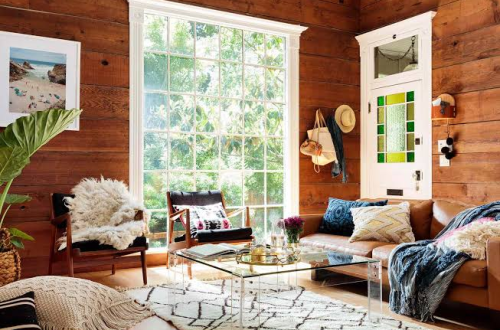
Creativity has found a new stage in modern home styling, and one artistic trend making its mark is pyntekvister. This technique brings an imaginative fusion of handmade craft, design, and personal expression into interior decor. Whether you enjoy DIY projects, love adding a unique touch to your space, or want to explore mindful and artistic hobbies, pyntekvister opens a world of possibility. It allows anyone—from complete beginners to seasoned crafters—to produce distinctive home pieces that reflect personality, cultural influence, and a love for handmade art.
What Makes Pyntekvister Unique?
Pyntekvister is a decorative craft technique that involves working with mixed materials to create visually appealing home accents. It blends texture, color, and form to create pieces that stand out as both art and decor. Crafters typically combine elements like yarn, fabric, thread, natural twigs, paper, or textile scraps to design intricate patterns and textured displays.
This approachable yet stylish craft emphasizes creativity over perfection, making it suitable for all skill levels. The joy of pyntekvister lies not only in the final creation but also the sensory, relaxing process of crafting with your hands.
A Look at Where Pyntekvister Comes From
The concept of pyntekvister finds influence in Nordic décor traditions that celebrate nature, simplicity, and handcrafted detail. Historically, Scandinavian crafting relied on materials found in the environment—wood, wool, twine, and dried plants—to decorate homes with nature-inspired art. Over time, pyntekvister evolved, drawing from modern DIY culture, textile art, and sustainable crafting.
Today, it reflects a blend of tradition and contemporary design. It supports the growing movement toward handmade, eco-friendly, personalized decor that counters mass-produced consumer goods.
Cultural Roots and Creative Evolution
- Scandinavian homes often used small handmade decorative crafts to add warmth and character
- Minimalist design merged with rustic elements laid the foundation for modern pyntekvister
- The craft now integrates global design influences, textile art, and even upcycled materials
Why Add Pyntekvister to Your Home?
Pyntekvister stands out in home décor for its versatility and artistic charm. It brings thoughtful, crafted detail to any space without requiring professional-level craft skills.
Adds Character to Interiors
Each creation is one-of-a-kind, personal, and expressive—perfect for elevating plain walls or corners.
Adaptable to Any Decor Style
Whether your space has a modern, minimalist, farmhouse, boho, or Scandinavian theme, pyntekvister can complement it with ease.
Eco-Friendly and Sustainable
Many crafters use leftover fabrics, natural resources, and recyclable materials, making this a mindful décor choice.
Brings Mindfulness and Creativity
Engaging in pyntekvister encourages focus, calmness, and creative flow—similar to meditation through art.
Must-Have Tools and Supplies for Pyntekvister
Getting started doesn’t require expensive equipment. Basic items include:
- Scissors or craft cutters
- Yarn, wool, cotton string, or decorative ribbon
- Fabric remnants or textured paper
- Natural twigs, branches, or wooden sticks
- Glue or craft-safe adhesive
- Thread and a needle (optional for stitching variations)
As you grow more confident, you can experiment with beads, wire, natural dried flowers, paint, or textured fabrics to expand the artistic dimension of your pieces.
Step-by-Step: Create Your First Pyntekvister Design
Begin with a small, simple project to learn the basics.
- Choose Your Base – A wooden stick, paperboard, or canvas is ideal.
- Plan a Simple Layout – Sketch a geometric pattern or outline for guidance.
- Add Texture – Wrap yarn or fabric across the base, layering colors or patterns.
- Secure the Elements – Use glue or stitching to keep materials in place.
- Enhance with Details – Add accents like twigs, dried flowers, or charms.
- Display Your Creation – Hang it on a wall, place it on a shelf, or frame it.
With practice, you’ll develop a style—whether abstract, rustic, modern minimal, or nature-inspired.
Stylish Ways to Use Pyntekvister in Home Design
There are countless creative applications for pyntekvister. Here are a few ideas to spark inspiration:
Wall Art
Create vertical or horizontal pieces that complement gallery walls or empty hall spaces.
Table and Shelf Decor
Smaller designs can act as centerpieces or subtle accent items for bookshelves and coffee tables.
Soft Furnishings
Translate the patterns into fabric-based elements like cushion covers, coasters, or textile banners.
Seasonal and Festive Decor
Craft themed pieces for holidays, seasonal displays, or special celebrations.
Outdoor Styling
Use natural materials for porch, patio, or garden décor that blends with nature.
Improvement Tips for Mastering the Craft
- Start with 2–3 colors to avoid overwhelming your design
- Mix materials slowly—learn how each behaves before combining many
- Use natural light to check color combinations and texture harmony
- Keep leftover materials organized for future projects
- Observe other artists for inspiration but develop your own artistic identity
Joining craft groups or DIY communities can provide valuable tips, project ideas, and feedback as you improve.
Conclusion
Pyntekvister brings charm, creativity, and warmth to modern living spaces. It offers a refreshing alternative to mass-produced décor by encouraging handmade expression and personal storytelling through artful design. With minimal tools and an open mind, anyone can explore this rewarding craft and transform ordinary areas into beautifully curated spaces. As you experiment, you’ll discover that pyntekvister isn’t just about decoration—it’s a meaningful, mindful journey of artistic exploration.
Clearing Up Confusion
What is pyntekvister used for?
It is used to create decorative handmade pieces for home styling, combining textures, natural elements, and artistic design.
Is pyntekvister suitable for beginners?
Yes, its techniques are simple enough for beginners, yet flexible enough for advanced crafters to explore creatively.
Do I need special tools to start pyntekvister?
No, basic household craft supplies like scissors, yarn, glue, and twigs are enough to begin.
Can pyntekvister fit into modern interior design?
Absolutely—it blends seamlessly with modern, minimalist, rustic, boho, and Nordic interior trends.
What materials work best for pyntekvister projects?
Natural or textured materials such as yarn, fabric scraps, twine, dried flowers, and wooden sticks produce the best visual results.